Crossing the Dasht-e Kavir: Ultimate 4x4 Desert Guide 2026
The definitive guide to crossing Iran's Great Salt Desert by 4x4. Includes logistics, essential gear, seasonal safety tips, and the best off-road routes.
Travel concierge
Join travelers planning with Borderly's AI


5-day itinerary ready to plan
Search Live Flights to Crossing the Dasht-e Kavir: Ultimate 4x4 Desert Guide 2026
Real-time airline seat selection, transparent baggage inclusions, and direct booking across 400+ carriers.
Book with Borderly • Powered by Duffel
Fly to Crossing the Dasht-e Kavir: Ultimate 4x4 Desert Guide 2026, booked directly.
Real-time seat availability, live baggage options, and transparent fares across 400+ airlines.
Just ask the AI trip planner
Tell it your dates, budget, or vibe — it will pull straight from this guide and build a route around it.
Ask about your Crossing the Dasht-e Kavir: Ultimate 4x4 Desert Guide 2026 trip
Real answers on routes, timing, and local tips — grounded in this guide.
Get Borderly on iOS
Download the app to generate custom AI trip plans, organize group budgets, and store your boarding wallet — all offline.

Join 2,000+ travelers using Borderly
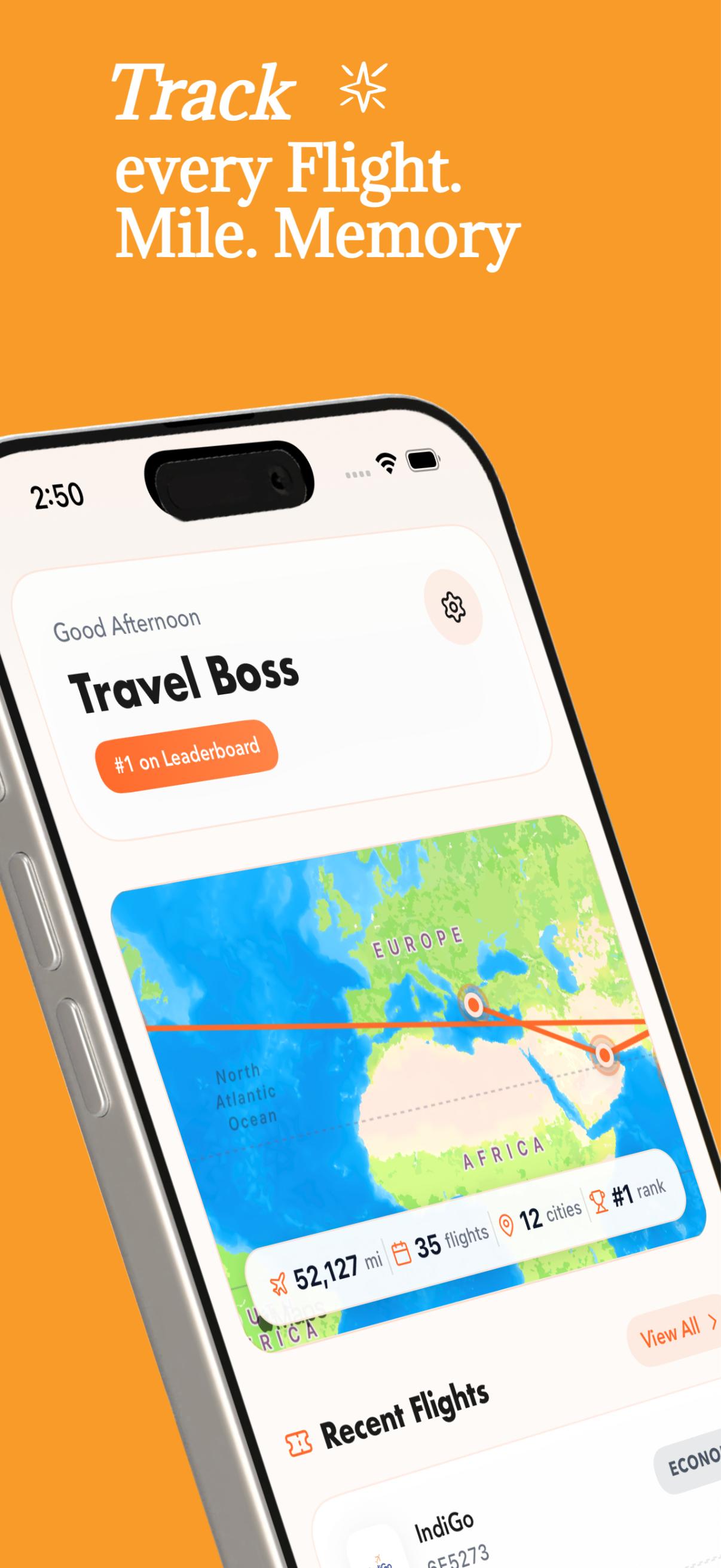
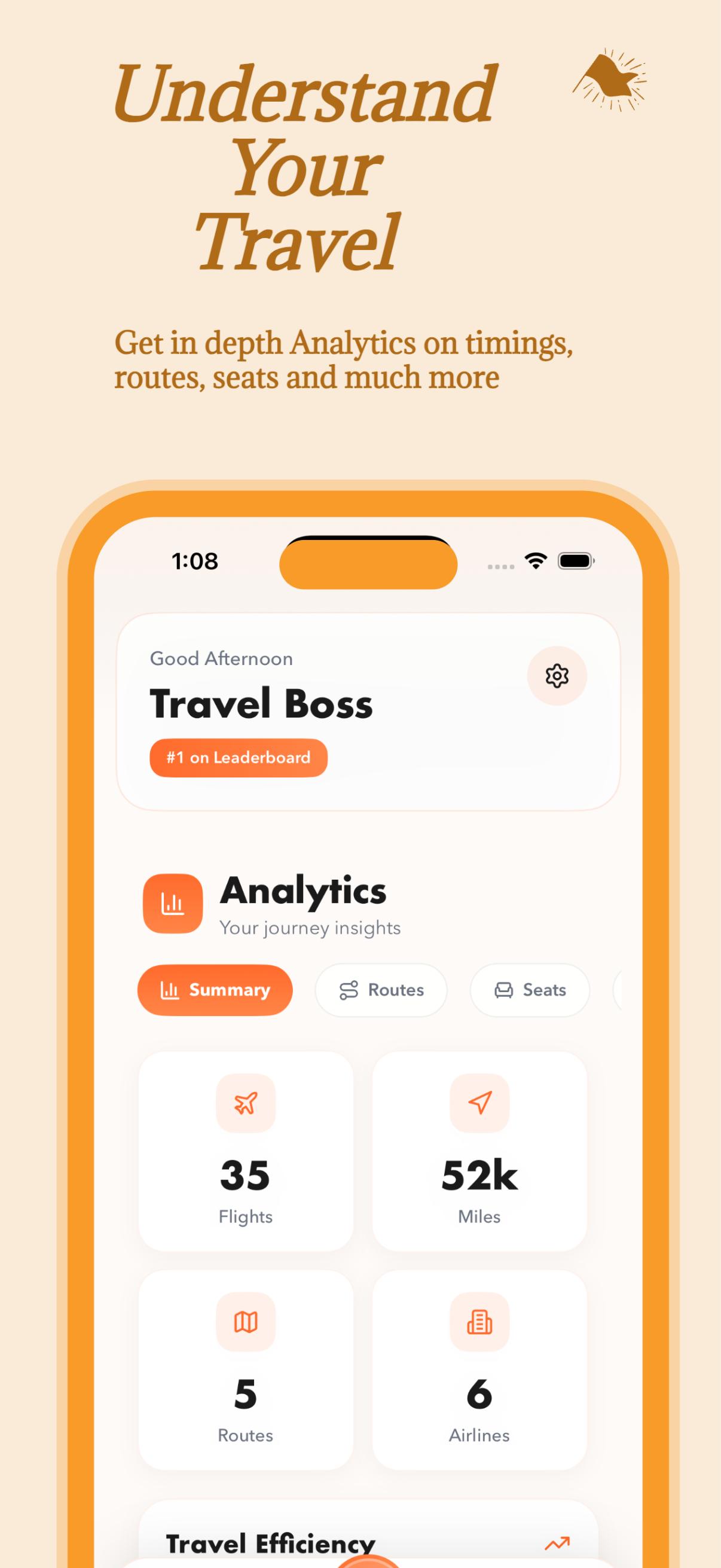
One app for the whole trip
AI trip planning, group budgets, and a boarding pass wallet — everything this guide covers, in your pocket.
AI Trip Planning
Generate personalized itineraries with real-time pricing, route optimization, and local recommendations.
Group Planning & Budgeting
Invite travel companions, split costs, vote on activities, and keep everyone aligned.
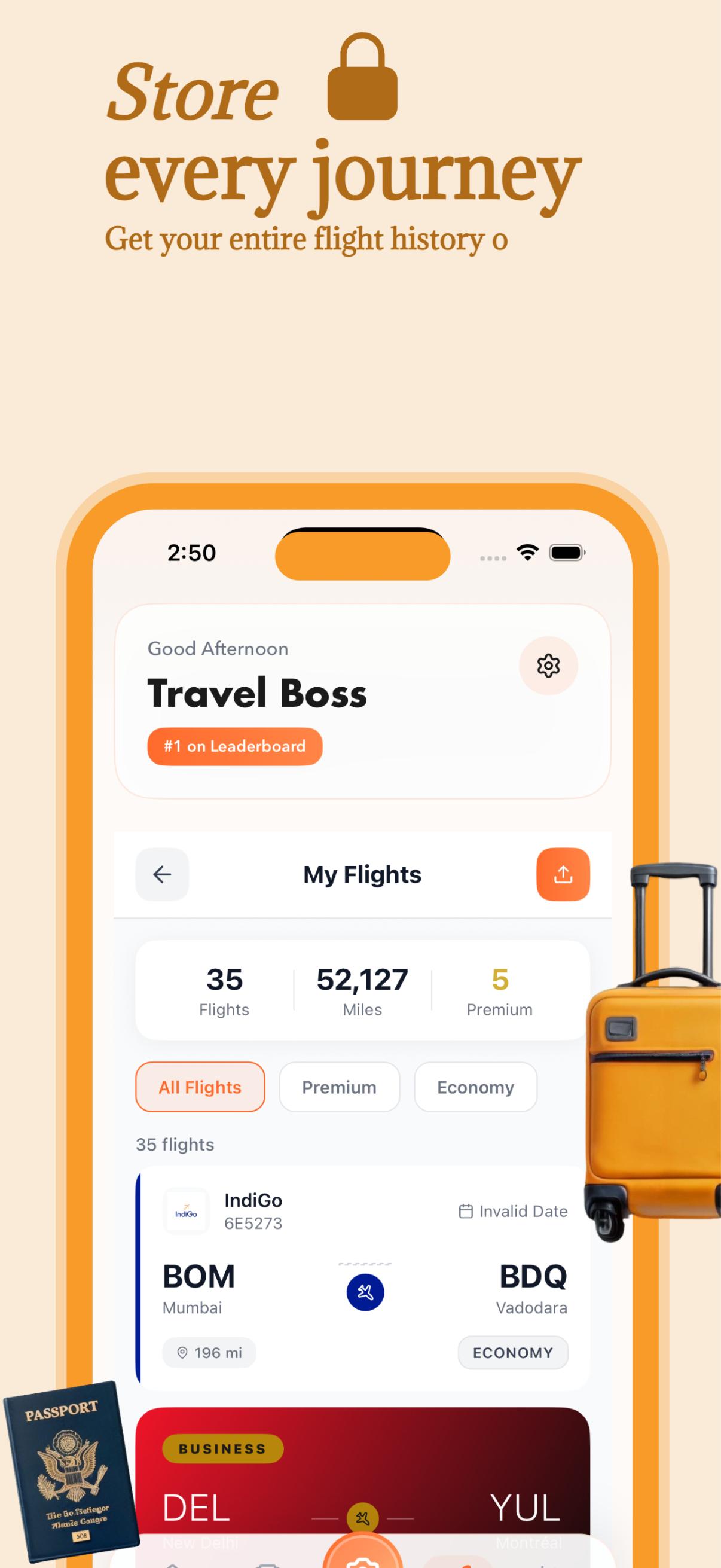
Boarding Wallet & History
Store every boarding pass, track your travel history, and visualize your journey on a map.
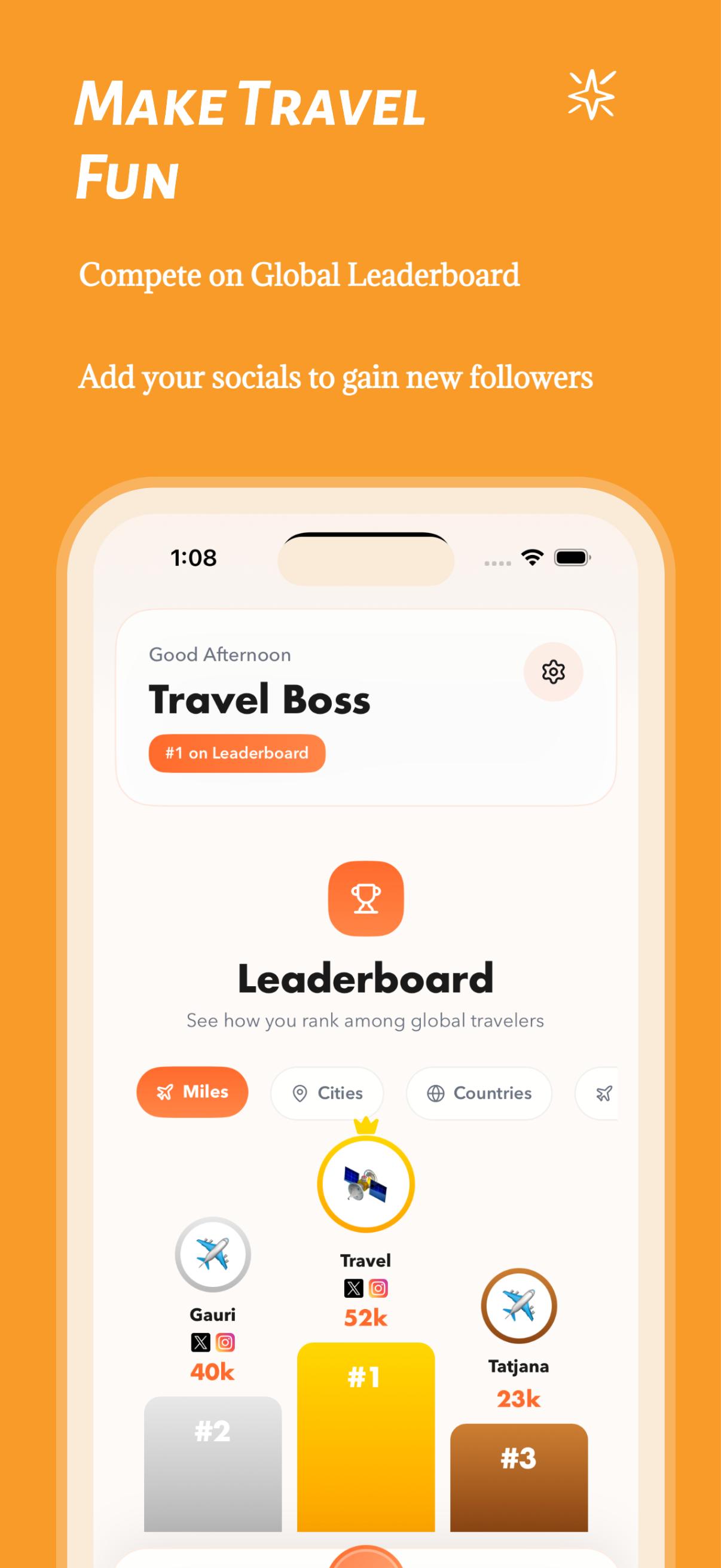
Leaderboard & Achievements
Earn badges for every destination, climb the global rankings, and compete with fellow travelers.
Travel Concierge
Get personalized booking assistance, curated recommendations, and priority support — all in-app.

Route directions & coordinate spots
The actual itinerary roadmap — coordinates, transit directions, and details for every stop.
Varzaneh Desert
Varzaneh is the entry point for most 4x4 expeditions into the Dasht-e Kavir. It features massive sand dunes that rise up to 100 meters, providing the perfect playground for off-roading vehicles. Located roughly 110km east of Isfahan, it is accessible via paved roads, serving as the base for air-down tire procedures before heading into the deep desert wilderness.
Mesr Village
Mesr is a remote desert oasis surrounded by palm groves and sand seas, making it a critical waypoint for long-distance desert crossings. The village has become a hub for 4x4 enthusiasts, offering local guesthouses and guide services for desert navigation. It sits on the edge of the central desert, offering stunning sunset views and access to the 'Salt Lake' flats nearby.
Chah-e Jam
Chah-e Jam acts as the gateway to the northern reaches of the Dasht-e Kavir, bordering the sprawling salt plains. This area is known for its rugged terrain and challenging tracks that test the durability of any 4x4 suspension. It is a favored stop for those seeking total isolation, with temperatures swinging drastically between day and night, requiring high-clearance vehicles.
Salt Lake (Daryacheh-ye Namak)
The Great Salt Lake of central Iran provides a stark, alien landscape that stretches to the horizon. 4x4 vehicles can drive across the hardened salt crust during the dry season, though one must exercise extreme caution regarding thin crusts covering mud pits. It is located between Qom and Aran-o-Bidgol, serving as a mesmerizing photography spot.
Maranjab Caravanserai
Built in the 17th century by Shah Abbas, this fort is one of the best-preserved stops on the Silk Road. It sits in a valley surrounded by salt marshes and sand dunes. It is an essential stop for any 4x4 group, offering a safe, historic place to base operations before tackling the deep desert dunes nearby.
Kavir National Park
Often called 'Little Africa,' this protected area offers a look at Iran's desert wildlife, including Persian zebras and gazelles. Entry requires specialized permits from the Department of Environment. The terrain is a mix of gravel, clay pans, and rugged mountains, providing a technical challenge for off-roaders wanting to explore the heart of the Dasht-e Kavir wilderness.
Rig-e Jenn
The 'Devil's Dune' is a vast, inaccessible region of quicksand and shifting dunes, legendary in Iranian folklore. Only experienced 4x4 expeditions with professional desert guides should attempt to enter the outer fringes of this area. It is characterized by absolute silence, intense heat, and high-difficulty driving conditions that require GPS navigation and multiple support vehicles.
Jandaq Town
Jandaq is an ancient town located on the edge of the great desert, featuring a historic fortress and traditional mud-brick architecture. It serves as a vital supply point for fuel, water, and food for groups crossing the desert from the east toward the center. The surrounding landscape features dramatic salt formations and open desert plains.
Curated tours & experiences
Skip-the-line activity tokens, certified day guides, and unique regional activities.
Interactive suggestions load dynamically based on seasonal availability.
Browse Viator Experiences
Looking for premium curated day-trips, private shuttle transports, or multi-day hiking expeditions? View top activities instantly.
The full guide, stop by stop
Hand-curated notes and specific travel insights, built exclusively for this trip.

Trail Notes
Varzaneh Sand Dunes: The Ultimate 4x4 Launchpad
Located just 110km from Isfahan, the Varzaneh dunes provide the most accessible high-sand technical driving in Iran, with dunes reaching up to 100m in height. You should allocate at least $50 USD for a half-day local guide session if you are new to tire deflation techniques. The secret here is to arrive at 5:00 AM; the cool morning air keeps the sand firm, allowing your vehicle to climb steeper grades without sinking. While many tourists visit the 'official' park, the true 4x4 pros drive 10km further into the backcountry where the desert is untouched by tour buses. Always verify your air pressure monitors before leaving the tarmac, as the transition from solid ground to loose, fine sand can snap axles on stock vehicles.
Maranjab Caravanserai: The 17th Century Base Camp
Standing for over 400 years, the Maranjab Caravanserai is the only safe, fortified shelter for 100km, making it an essential $30 USD-per-night stop for group expeditions. This area requires a permit, which usually costs about $10 USD for foreigners. Contrarian insight: Do not stay inside the main caravanserai building itself. The most experienced travelers set up camp 3km away on the edge of the salt lake. This provides unobstructed views of the Milky Way without the ambient light and noise of the tour groups staying within the walls. Remember that the salt lake surroundings are notoriously deceptive; the ground can look firm but hide deep, water-saturated mud that will swallow a 4x4 instantly.
Rig-e Jenn: Entering the Forbidden Territory
Rig-e Jenn represents the most challenging off-road segment in Iran, requiring a professional guide with a satellite phone, costing upwards of $400 USD for a two-day escort. This is a region of quicksand and shifting mega-dunes where standard navigation fails. The key secret to surviving here is the 'three-vehicle rule': never attempt an expedition with fewer than three vehicles to ensure you have recovery options. If you do not have a winch, recovery boards, and a high-lift jack, do not enter. This is not a place for 'off-road curious' tourists; it is a serious expedition zone that requires mechanical knowledge and the ability to perform field repairs on suspension components under extreme heat.
Secure curated tours & day tickets with Viator
Unlock flexible skip-the-line museum tickets, local food walkthroughs, and certified regional guides on Viator.
Take your itinerary everywhere
Sync boarding passes, earn travel badges, climb the global leaderboards, and track multi-currency expenses — all offline.
Crowd Avoidance
To bypass the massive influx of bus tours near Varzaneh and Maranjab, you must shift your schedule to the 'predawn advantage' and utilize secondary access tracks that require 4WD capability.
- Start your daily driving at 4:30 AM to reach remote dunes by sunrise, leaving the sites by 10:00 AM before the tour buses arrive.
- Avoid weekends (Thursday and Friday in Iran) at Maranjab Caravanserai entirely, as it becomes crowded with local families from Tehran and Kashan.
- Use the 'Western Route' into Kavir National Park, which is gated and requires a special permit, effectively blocking 95% of casual visitors.
- Hire local guides from smaller villages like Jandaq instead of major cities; they know hidden paths that bypass the main tourist-clogged thoroughfares.
- Travel in a convoy but keep the vehicles spaced at least 500 meters apart to minimize the visual and environmental impact on the pristine dunes.
- Carry a high-gain radio to monitor local frequencies, allowing you to identify where larger groups are operating and navigate to the opposite side of the desert basins.
Secure curated tours & day tickets with Viator
Unlock flexible skip-the-line museum tickets, local food walkthroughs, and certified regional guides on Viator.
Top Curated Travel Experiences in Crossing the Dasht-e Kavir: Ultimate 4x4 Desert Guide 2026
Full-Day Guided Sightseeing Tour in Crossing the Dasht-e Kavir: Ultimate 4x4 Desert Guide 2026
Explore the absolute best sights of Crossing the Dasht-e Kavir: Ultimate 4x4 Desert Guide 2026 with an expert certified local English-speaking guide.
Crossing the Dasht-e Kavir: Ultimate 4x4 Desert Guide 2026 Hidden Gems & Historical Walking Tour
Step off the beaten path into quiet streets with your storyteller guide.

Suggested Route Order
The optimal desert loop begins and ends in central Iran, typically starting from Isfahan or Kashan. Start by heading to Varzaneh for a morning of dune driving, then progress eastward toward the Mesr village area. This allows for a gradual adaptation to desert heat and navigation before hitting the more challenging terrain of the central basins.
- Start in Isfahan: Perform a full mechanical inspection of your 4x4 and stock up on at least 40 liters of extra water and 20 liters of fuel.
- Varzaneh Dunes: Spend Day 1 testing your vehicle's performance on the sand. Stay in a local guesthouse in Varzaneh.
- Mesr & Farahzad: Drive north on Day 2 through the desert plains, staying in a local oasis house to acclimate to the silence.
- Jandaq and Beyond: Dedicate Day 3 and 4 to the deeper routes near the Rig-e Jenn perimeter.
- Return via Maranjab: Conclude the trip with a night at the caravanserai before returning to the main transit hubs of Kashan or Qom.
This route is logic-driven; by finishing at Maranjab, you place your most difficult off-roading at the start when drivers are fresh, while reserving the most historically significant sites for the end of the journey.
Find cheap flights & multi-city stays
Secure flexible flight pathways, regional connections, and custom travel bundles on Trip.com.
Top Curated Travel Experiences in Crossing the Dasht-e Kavir: Ultimate 4x4 Desert Guide 2026
Full-Day Guided Sightseeing Tour in Crossing the Dasht-e Kavir: Ultimate 4x4 Desert Guide 2026
Explore the absolute best sights of Crossing the Dasht-e Kavir: Ultimate 4x4 Desert Guide 2026 with an expert certified local English-speaking guide.
Crossing the Dasht-e Kavir: Ultimate 4x4 Desert Guide 2026 Hidden Gems & Historical Walking Tour
Step off the beaten path into quiet streets with your storyteller guide.
Getting Between Spots
Standard taxis are useless in the desert. You must either rent a fully equipped 4x4 (which is difficult for tourists to do independently without a local license) or join a guided expedition. Ride-share apps like Snapp! operate in major cities like Isfahan or Kashan but cannot take you into the desert heart. For the desert sections, you must pre-book a 4x4 with a driver through a specialized agency in Kashan or Yazd.
| Route | Typical Time | Cost (USD) |
|---|---|---|
| Isfahan to Varzaneh | 2 hours | $60 (Charter) |
| Varzaneh to Mesr | 6 hours | $150 (Guided) |
| Mesr to Jandaq | 1.5 hours | $40 (Guided) |
| Kashan to Maranjab | 3 hours | $80 (Guided) |
Local transport hack: If you are an experienced driver and own a vehicle, join an Iranian 'Off-Road Club' on Telegram. They often organize weekend trips to these exact locations; you can coordinate with them to join their convoy, which is far safer and more cost-effective than hiring a private guide for an individual vehicle. Always ensure your support vehicle is equipped with a functional winch and high-clearance tires.
Find cheap flights & multi-city stays
Secure flexible flight pathways, regional connections, and custom travel bundles on Trip.com.
Transport Cost Table
| Route | Method | Time | Local Currency (IRR) | USD |
|---|---|---|---|---|
| Isfahan - Varzaneh | Private 4x4 | 2h | 30,000,000 | $60 |
| Varzaneh - Mesr | Guided Convoy | 6h | 75,000,000 | $150 |
| Mesr - Jandaq | Private 4x4 | 1.5h | 20,000,000 | $40 |
| Kashan - Maranjab | Guided Tour | 3h | 40,000,000 | $80 |
| Tehran - Kashan | Train/Car | 2.5h | 10,000,000 | $20 |
The costs above assume shared logistics for a group of four. Traveling solo significantly increases the cost per person, as the fixed expenses for fuel, professional guides, and desert permits remain the same regardless of group size. Always confirm these prices at least 30 days in advance, as fuel prices fluctuate.
Find cheap flights & multi-city stays
Secure flexible flight pathways, regional connections, and custom travel bundles on Trip.com.
Where To Base
For most expeditions, Kashan is the most logical base for the northern desert (Maranjab), while Isfahan or Yazd are better for the southern and eastern sectors (Varzaneh, Mesr). In these cities, you can find a range of accommodations that suit mixed-budget groups perfectly.
Groups can stay in the same historic district—the 'Fahadan' area of Yazd is a perfect example—where one traveler can book a luxury restored traditional mansion for $120/night, while another opts for a clean, basic bunk in a shared house for $20/night, both within a 5-minute walk of each other. This creates a cohesive group experience without forcing a single price point on everyone.
| Neighborhood | Vibe | Budget Range | Proximity |
|---|---|---|---|
| Fahadan (Yazd) | Historic, Mud-brick | $20 - $150 | Close to desert routes |
| Soltan Amir (Kashan) | Artistic, Traditional | $30 - $200 | Gateway to Maranjab |
| Jolfa (Isfahan) | Lively, Cafe-culture | $40 - $180 | Best for equipment shopping |
Always base yourself in these historic hubs rather than the desert villages themselves; the villages have limited infrastructure, whereas the cities provide the specialized parts, fuel, and mechanic support you will inevitably need after a desert crossing.
Book Hotels in Crossing the Dasht-e Kavir: Ultimate 4x4 Desert Guide 2026 with Agoda
Compare premium boutique hotels, resort villas, and historic stays at the guaranteed lowest rates.

Itinerary Day Plan
| Day | Morning | Afternoon | Evening | Cost (USD) |
|---|---|---|---|---|
| 1 | Depart Isfahan | Varzaneh Dunes | Desert Camp | $120 |
| 2 | Drive to Mesr | Oasis Exploration | Stay in Mesr | $100 |
| 3 | Rig-e Jenn Edge | Salt Pan Crossing | Jandaq Guesthouse | $180 |
| 4 | Maranjab Transit | Caravanserai Tour | Kashan Return | $140 |
This four-day itinerary balances technical driving with cultural immersion. By staying in local guesthouses, you contribute directly to village economies while ensuring you have access to clean water and reliable heat.
Remember that weather dictates this schedule; if the wind picks up, visibility can drop to zero, and you must pause all movement. Always factor in a 'buffer day' in case your vehicle experiences a mechanical failure in the remote dunes.
Find cheap flights & multi-city stays
Secure flexible flight pathways, regional connections, and custom travel bundles on Trip.com.
Local Insider Tips
- The Contrarian Rule: Ignore the advice to 'bring lots of clothes.' In the desert, you need only one high-quality layer for the night and thin, breathable cotton for the day. Overpacking creates more laundry and weight, which hampers vehicle performance on sand.
- Water Storage: Use metal containers rather than plastic. Plastic tanks tend to crack under extreme heat and vibration on washboard roads.
- Tire Pressure: Always drop pressure to 15-18 PSI on sand, but never lower than 12 PSI unless you have beadlock wheels, or you will de-bead the tire.
- Navigation: Do not rely on Google Maps. Download 'Maps.me' with offline layers and keep a physical paper map of the Iranian desert basins as a fail-safe.
- Fuel Siphoning: Always carry a high-quality siphon kit. Fuel stations in remote areas are infrequent, and you may need to buy fuel from local farmers.
- Sand Boards: Carry two sets of recovery boards per vehicle. One is never enough when you are stuck deep.
- Sun Protection: The desert sun reflects off the salt, doubling the UV exposure. Use full-face neck gaiters.
- Greeting Rituals: Always offer a 'Salām' and a small gift to locals in remote villages; this builds the social capital necessary to get help if you break down nearby.
Get instant mobile data with Saily eSIM
Stay connected. Skip expensive roaming fees and activate instant high-speed data in seconds with Saily.

Photography And Best Light
The Dasht-e Kavir offers otherworldly light, but it is notoriously difficult to capture due to the high contrast between the white salt and the dark sky. The 'Golden Hour' in the desert lasts longer than elsewhere; plan to be at your vantage point 45 minutes before sunrise and 45 minutes after sunset.
For sharp shots of sand patterns, use a polarizer to cut the glare off the salt crystals, which can otherwise blow out your exposure. Use a small aperture (f/11 to f/16) to ensure the textures of the dunes are captured in deep focus. When shooting at night, the lack of light pollution makes the Dasht-e Kavir one of the best places on Earth for astrophotography. A wide-angle lens with an aperture of f/2.8 or faster is essential. Check out Lonely Planet's photography guide for more on capturing desert landscapes and 500px for inspiration on Iranian desert composition.
Get instant mobile data with Saily eSIM
Stay connected. Skip expensive roaming fees and activate instant high-speed data in seconds with Saily.
Budget And Cost Context
Desert travel is expensive due to the overhead of 4x4 maintenance, specialized guides, and fuel consumption. Your budget should account for the 'Remote Tax'—the extra cost of bringing supplies into areas with limited infrastructure.
| Tier | Daily Cost | What it Covers |
|---|---|---|
| Budget | $80 | Guesthouses, shared transport, basic meals |
| Mid-range | $150 | Private guide, local guesthouse, fuel |
| Luxury | $300+ | Private 4x4, specialized camping gear, guide |
A significant portion of your budget should be reserved for 'emergency maintenance.' Breaking a tie-rod or popping a tire in the middle of the desert can cost you $200-$500 in emergency recovery fees. Always travel with enough cash in local currency (Rials) to cover such incidents, as remote villages do not accept credit cards.
Find cheap flights & multi-city stays
Secure flexible flight pathways, regional connections, and custom travel bundles on Trip.com.

Top Restaurants By Budget
| Name | Location | Type | Budget | Must-Order | Note |
|---|---|---|---|---|---|
| Traditional House | Kashan | Persian | $$ | Abgoosht | Local meat stew |
| Oasis Cafe | Mesr | Street | $ | Kashk-e Bademjan | Authentic eggplant |
| Desert Restaurant | Varzaneh | Local | $ | Grilled Lamb | Freshly butchered |
The culinary scene in the desert is centered around slow-cooked stews like Fesenjan (pomegranate walnut stew) which are designed to keep you hydrated and energized. Street food is rare; most meals are cooked in guesthouses. Expect bread baked in clay ovens, which is significantly better than anything you will find in larger cities.
Always ask for 'local-style' preparation when dining in rural areas; it is less modified for tourists and far more flavorful.
Secure curated tours & day tickets with Viator
Unlock flexible skip-the-line museum tickets, local food walkthroughs, and certified regional guides on Viator.
Food And Drink Highlights
Hydration is your primary culinary concern. Avoid bottled soda in the desert and stick to 'Doogh,' a traditional salty yogurt drink that replenishes the electrolytes you lose through sweat. Dates and nuts (especially pistachios) are the quintessential desert superfoods here; keep a bag of both in your 4x4 at all times for quick energy.
For deeper insights, check Foods of Iran for local recipes and Visit Iran's food portal for regional specialties. Always carry a small water purification system or tablets if you are relying on well water in remote areas, although bottled water is available in every major town.
Secure curated tours & day tickets with Viator
Unlock flexible skip-the-line museum tickets, local food walkthroughs, and certified regional guides on Viator.
Safety Considerations
- Extreme Heat: Dehydration is the #1 killer; always carry twice the water you think you need.
- Political Sensitivity: Do not use drones in desert areas, especially near national parks or military boundaries.
- Navigation Risks: Never drive alone; you must use a GPS and a satellite beacon (InReach/Spot) if venturing far from the tracks.
- Emergency Numbers: Local police can be reached at 110, though they may have limited reach in the deep desert.
- Travel Insurance: Standard policies often exclude 'extreme sports' or off-roading; ensure your coverage explicitly includes desert 4x4 activity.
- Scam Alerts: Beware of 'fixers' in major cities offering fake, overpriced desert permits; only purchase them at official government offices.
Get instant mobile data with Saily eSIM
Stay connected. Skip expensive roaming fees and activate instant high-speed data in seconds with Saily.
Seasonal Variations
| Month | Weather | Crowd | Verdict |
|---|---|---|---|
| Jan | Cold/Dry | Low | Best for desert crossing |
| Feb | Mild | Low | Excellent |
| Mar | Cool/Windy | Medium | Good |
| Apr | Warm | Medium | Fine |
| May | Hot | Low | Avoid |
| Jun-Aug | Extreme | Very Low | Dangerously hot |
| Sep | Warm | Low | Avoid |
| Oct | Mild | Medium | Good |
| Nov | Cool | Low | Excellent |
| Dec | Cold | Low | Excellent |
Winter is the only time to attempt a crossing. The desert temperature swings are immense; even in winter, while the days are mild (15-20°C), the nights can drop below freezing (-5°C). Always pack a high-quality down sleeping bag rated for at least -10°C.
Book top guided activities and tickets in Crossing the Dasht-e Kavir: Ultimate 4x4 Desert Guide 2026
Skip the long queues, discover hidden gems, and book 100% free-cancellation activities on Viator with live local support.
Equipment And Gear Advice
- Dual Spare Tires: Non-negotiable for the salt crusts.
- Recovery Boards: Maxtrax or similar quality brands.
- Winch: Minimum 9,000lb capacity.
- Communication: Satellite messenger (Garmin inReach).
- Water Containers: 20L Jerry cans.
- Tool Kit: Full socket set, torque wrench, and spare suspension bushings.
- Air Compressor: Heavy-duty, high-volume compressor for re-inflating tires.
- Apparel: Polarized sunglasses and high-SPF lip balm.
- What NOT to bring: Expensive, fragile camera equipment without dust-proof sealing.
Get instant mobile data with Saily eSIM
Stay connected. Skip expensive roaming fees and activate instant high-speed data in seconds with Saily.
Local Festivals And Events
| Event | Month | Location | Significance | Booking |
|---|---|---|---|---|
| Nowruz | March | Everywhere | New Year celebrations | Book 4 months ahead |
| Yalda Night | December | Local homes | Winter Solstice festival | Local invite required |
The best time to travel is just before or after the Nowruz holidays. During Nowruz, the entire country is on the move, and prices for 4x4 rentals spike to triple their usual rates. Avoiding these dates is critical for a smooth, affordable trip.
Book top guided activities and tickets in Crossing the Dasht-e Kavir: Ultimate 4x4 Desert Guide 2026
Skip the long queues, discover hidden gems, and book 100% free-cancellation activities on Viator with live local support.
Sustainable Travel Tips
- Stay on established tracks: Off-roading in pristine desert can destroy delicate biological crusts that take decades to recover.
- Waste: Pack out absolutely everything; there is no trash infrastructure in the desert.
- Support local: Hire local drivers from the villages on the edge of the desert rather than tour operators from Tehran.
- Water Conservation: Do not waste water on 'cleaning' your car; wait until you return to the city.
- Respect Wildlife: Maintain distance from desert gazelles and other animals; do not chase or feed them.
- Choose eco-guesthouses: Support businesses that prioritize traditional mud-brick construction over modern concrete.
Get instant mobile data with Saily eSIM
Stay connected. Skip expensive roaming fees and activate instant high-speed data in seconds with Saily.
Neighborhood Guide
The Historic Core of Yazd
Yazd is the best city to prepare for the desert. It is famous for its wind catchers and ancient subterranean water systems (qanats). Staying in the Fahadan neighborhood gives you an authentic experience of old-world desert architecture, with narrow alleyways that are perfect for navigating by foot. You can access desert guides and vehicle rentals within a 15-minute walk of the center.
Kashan's Traditional Houses
Kashan serves as the hub for the Maranjab route. The neighborhoods here, specifically around the Sultan Amir Ahmad bathhouse, are filled with historic mansion-hotels. These offer a luxurious counterpoint to the rugged desert, allowing you to recover in comfort after a week of camping. It is the perfect place to meet other independent travelers.
Book Hotels in Crossing the Dasht-e Kavir: Ultimate 4x4 Desert Guide 2026 with Agoda
Compare premium boutique hotels, resort villas, and historic stays at the guaranteed lowest rates.
Alternative Options
Who Should Skip This
Individuals with back issues, those prone to severe motion sickness, or anyone uncomfortable with basic, shared-sanitation desert guesthouses should avoid this activity. The terrain is jarring, and there are no luxury resorts in the deep desert.
If the desert is too difficult, consider a 'Cultural Loop' through the central cities of Isfahan, Yazd, and Shiraz, which utilizes paved highways and luxury hotels. This offers all the history and food of the desert without the physical toll of 4x4 off-roading.
Book top guided activities and tickets in Crossing the Dasht-e Kavir: Ultimate 4x4 Desert Guide 2026
Skip the long queues, discover hidden gems, and book 100% free-cancellation activities on Viator with live local support.
Frequently Asked Questions
- Is a 4x4 necessary for the Dasht-e Kavir?
- Yes, a 4x4 with high-clearance is non-negotiable as the desert terrain includes deep sand, washboard tracks, and jagged salt crusts. Standard cars will be damaged within minutes and will likely get stuck immediately.
- What is the best month to visit in 2026?
- January and February offer the most stable conditions with mild daytime temperatures and cold nights. This allows for comfortable driving without the risk of heat exhaustion.
- Are there toilets in the desert?
- There are no facilities in the deep desert, so you must practice leave-no-trace principles. Most guesthouses in the gateway villages have traditional squat toilets.
- Is it safe to drive alone?
- You should never drive alone in the desert due to the risk of mechanical failure and the extreme isolation. Always travel with at least one support vehicle and a satellite communication device.
- Can I rent a car and drive it myself?
- While technically possible, most rental agencies will not permit their vehicles to be taken off-road. You will likely need to hire a private driver or join an organized expedition.
- How much should I tip my guide?
- Tipping is not mandatory but highly appreciated for good service; 10-15% of the total daily rate is standard for professional 4x4 drivers.
Book top guided activities and tickets in Crossing the Dasht-e Kavir: Ultimate 4x4 Desert Guide 2026
Skip the long queues, discover hidden gems, and book 100% free-cancellation activities on Viator with live local support.
Final CTA
Book top guided activities and tickets in Crossing the Dasht-e Kavir: Ultimate 4x4 Desert Guide 2026
Skip the long queues, discover hidden gems, and book 100% free-cancellation activities on Viator with live local support.
Ready to track your travels?
Join thousands of travelers using Borderly to plan trips, track expenses, store boarding passes, and compete on the global leaderboard.