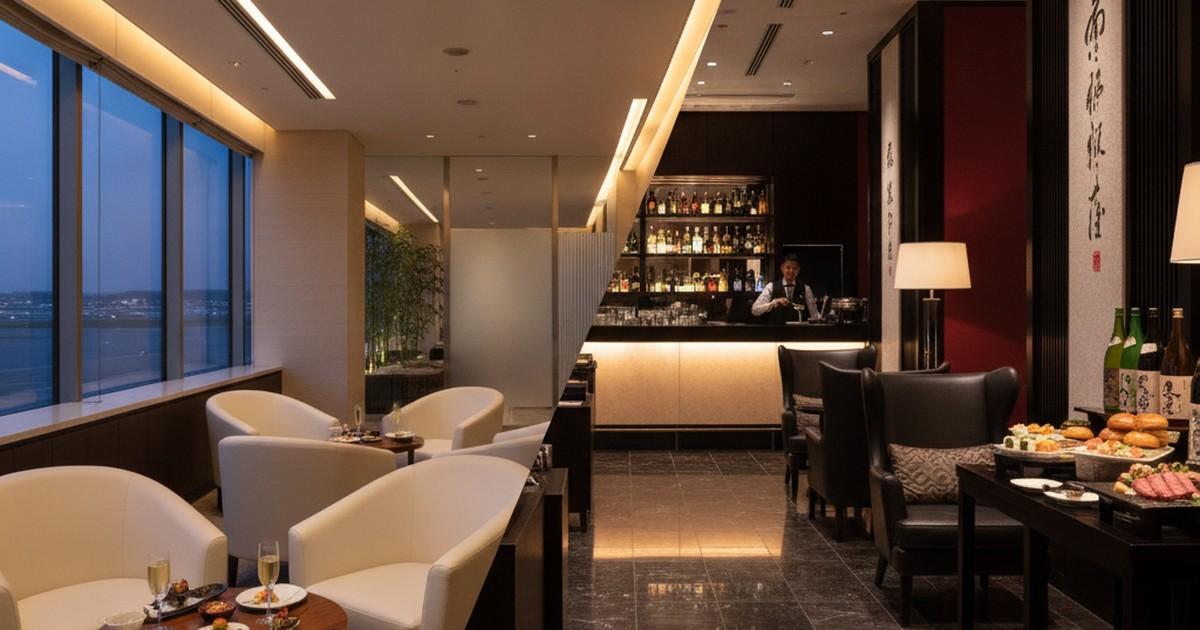
ANA Suite Lounge vs JAL First Class Lounge: Ground Experience

When comparing the ground experience of the ANA Suite Lounge vs the JAL First Class Lounge, Japan Airlines (JAL) delivers a clearly superior premium environment due to its sophisticated 'room to room' spatial zoning, live sushi chefs at Sushi Tsurutei, and the unique, aviation-themed RED Suite sanctuary. While All Nippon Airways (ANA) offers an outstanding restaurant-style sit-down dining experience at its DINING h facility, its overall lounge atmosphere frequently suffers from significant evening overcrowding and feels more like an elevated business class lounge than a true first class oasis.
TL;DR: Quick Ground Experience Comparison
- Overall Atmosphere: JAL wins with its luxurious, tranquil Ryu Kosaka-designed spaces and the playful RED Suite, whereas ANA is sleek but can feel bright, clinical, and crowded.
- Food & Beverage: JAL shines with live-rolled sushi and legendary beef curry, while ANA counters with 'DINING h' sit-down restaurant-style meals and an exceptional made-to-order noodle bar.
- Exclusive Perks: JAL offers a complimentary professional John Lobb shoe shine and a secret aviation lounge; ANA prioritizes high-tech soundproof work booths and premium shower suites.
- Crowd Control: JAL manages capacity better across its multi-level Haneda Terminal 3 footprint, while ANA's single-level lounge near Gate 110 frequently runs out of private seating during peak departure windows.
Which lounge offers a superior design and atmosphere?
The layout and aesthetic choices of a first class lounge set the tone for your entire journey. When analyzing the ANA Suite Lounge vs JAL First Class Lounge ground experience, JAL has invested heavily in creating a peaceful oasis that reflects traditional Japanese hospitality blended with modern luxury. Designed by the famous designer Ryu Kosaka, the JAL First Class Lounge at Tokyo Haneda Terminal 3 uses a clever 'room to room' design philosophy. Each zone features unique Japanese folding screens, delicate cherry blossom artwork, and warm lantern lighting that mimics a luxury boutique hotel. The lounge is partitioned by floor-to-ceiling screens resembling bamboo fences, offering deep privacy even when the lounge is busy.
Contrast this with the design of the ANA Suite Lounge, which prioritizes clean lines, steel, and glass. While the ANA facility offers incredible floor-to-ceiling runway views, the seating layout is arranged in traditional rows of leather lounge chairs. This structure makes the main room feel open but slightly clinical, lacking the intimate, warm residential vibe that JAL achieves so effortlessly. ANA does feature private, high-walled individual work cubicles, but these are highly sought after and fill up almost instantly. The architectural difference between these environments mirrors the cabin experience, where suite design differences dictate how travelers perceive personal space and privacy in the sky.
JAL's crown jewel of lounge design is the RED Suite, a secret, multi-room library and gallery tucked away in the back of the first class lounge. Inside this sanctuary, travelers will find deep-toned leather walls, vintage aviation maps, a professional chess set, and a library of historic flight logs. There is even a hidden champagne room stocked with chilled Joseph Perrier or Laurent-Perrier champagnes. This level of experiential, whimsical design is entirely absent from the highly functional but sterile ANA Suite Lounge design, making JAL the undisputed winner for pre-flight ambiance.
How does the dining experience compare between ANA and JAL?
Dining is the focal point of the pre-flight ground experience, and both Japanese carriers take culinary excellence incredibly seriously. Japan Airlines elevates lounge dining into an interactive, theatrical event centered around Sushi Tsurutei. Here, professional sushi chefs stand behind a sleek wooden bar, hand-rolling fresh, seasonal nigiri sushi to order. Guests can pair their fresh tuna, sea bream, and egg sushi with premium, curated sakes selected by internationally renowned sake critic Koichi Hasegawa. Beyond the sushi bar, the 'JAL Table' serves a high-quality à la carte menu that includes the legendary, deeply rich JAL beef curry and freshly baked, buttery croissants from the Tokyo branch of Paris's Maison Kayser.
All Nippon Airways matches this with its own unique culinary weapon: 'DINING h,' located exclusively in the ANA Suite Lounge near Haneda's Gate 110. Rather than an interactive counter, DINING h is a formal, sit-down restaurant experience featuring a full-service waitstaff and a multi-course menu. Travelers can order premium Japanese beef steaks, gourmet western dishes, and delicate, seasonal appetizers. For many travelers, this sit-down format is the pinnacle of luxury, as you do not have to lift a finger. Outside of the restaurant, ANA also features a famous made-to-order noodle bar, allowing you to scan a QR code at your table to order piping-hot bowls of signature ramen, udon, and soba directly to your seat.
Deciding which dining concept is better depends on your personal preferences. To fully appreciate how these lounge menus translate to the onboard dining journey, it is helpful to look at how first-class menus compared across both airlines. JAL offers a lighter, interactive culinary adventure with its live-rolled sushi and premium sake bar. ANA, on the other hand, excels if you want a heavy, formal sit-down meal before boarding a long-haul red-eye flight. However, because DINING h has limited seating and operating hours, JAL's high-quality dining outlets remain more accessible throughout the day.
What exclusive amenities set these two lounges apart?
Aside from excellent food and design, the signature amenities provided by each lounge showcase different aspects of Japanese service. JAL focuses on classic, high-touch luxury amenities. The most famous of these is the complimentary, professional shoe-shining service operated in partnership with high-end British bootmaker John Lobb. While you sit back and relax in the RED Suite, a professional shoe artisan will hand-buff your leather shoes to a mirror-like shine. Furthermore, the 'JAL Salon' acts as a quiet refuge where you can taste premium Japanese whiskeys like Yamazaki or Hibiki, alongside hand-selected craft spirits.
ANA's approach to amenities is highly practical, modern, and tech-driven. Recognizing that many first class travelers are business executives, ANA has integrated soundproof work booths directly into its suite lounges. These sleek, enclosed capsules can be booked in advance via the ANA App on the day before your flight. ANA's shower suites are also legendary, featuring spacious changing areas, high-pressure rainfall showerheads, and premium Bulgari toiletries. However, ANA's shower reservation system can experience major backlogs during the evening rush, meaning you should book a shower slot immediately upon entering the lounge.
Both lounges strive to offer a seamless transition to the aircraft, but they deliver it through different service lenses. These differences on the ground reflect the broader ground hospitality standards that define each carrier's service culture. JAL's service is touch-oriented, classic, and deeply personalized, while ANA's service is exceptionally efficient, highly technological, and organized. If you prefer old-world luxury like shoe-polishing and premium whiskey bars, JAL is unmatched. If you want a state-of-the-art office booth and a flawless shower experience, ANA takes the lead.
Is overcrowding a major issue in Tokyo first class lounges?
Overcrowding is the single biggest operational issue facing first-class airport lounges in Tokyo today. Both Haneda and Narita airports act as massive global transit hubs, resulting in heavy passenger waves. The ANA Suite Lounge near Gate 110 at Haneda is notorious for being incredibly crowded during the peak evening bank from 7:00 PM to 10:00 PM. Because ANA allows its top-tier Diamond Service members to access the Suite Lounge regardless of their ticket class, the physical space frequently runs out of standard seating. During these hours, the atmosphere can feel loud, busy, and decidedly un-exclusive, with guests occasionally redirected to darker auxiliary rooms.
JAL also experiences peak-hour traffic, but it handles capacity much more effectively. The JAL First Class Lounge at Haneda Terminal 3 is spread across two distinct floors (the fourth and fifth floors), offering a larger total physical footprint of roughly 2,400 square meters. Its layout naturally disperses guests into various themed rooms, preventing a single area from feeling overwhelming. Furthermore, JAL's strict Oneworld Emerald entry criteria keep the guest counts slightly more manageable. For a broader look at how these carriers handle passenger comfort from the terminal to the aircraft, you can read our overall carrier comparison, which breaks down the entire journey.
How do you book these elite ground experiences with points?
To access either of these exclusive lounges, you must be flying in international first class on ANA or JAL, or hold top-tier alliance status. However, you do not need to spend tens of thousands of dollars on a cash ticket to experience them. Using credit card transfer partners and frequent flyer miles makes accessing these ground sanctuaries highly achievable. For example, you can book ANA first class by transferring Amex Membership Rewards or Chase Ultimate Rewards to Virgin Atlantic Flying Club, or by using Air Canada Aeroplan points. JAL first class can be easily booked using American Airlines AAdvantage miles or Alaska Airlines Mileage Plan miles, both of which offer excellent redemption rates.
Because award space is incredibly limited and highly competitive, you need a precise strategy to secure these seats. To master the booking process, check out our comprehensive guide on points redemption strategies to learn exactly when airlines release award seats and how to book them. Booking at least 11 to 12 months in advance, or searching for last-minute seats within 14 days of departure, are the most reliable methods for securing your entry into these elite lounges.
Are you ready to experience the ultimate in Japanese ground hospitality? Start by reviewing your current points balances, choose your preferred alliance partner, and lock in your first class ticket to Tokyo today.



 Saily eSIM