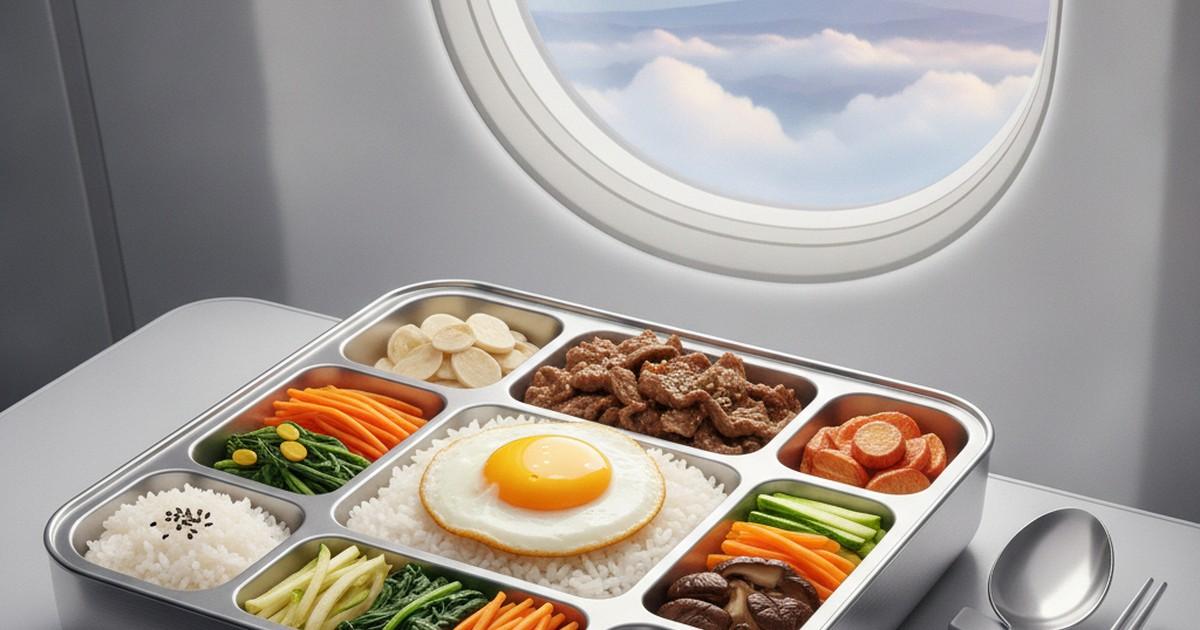

Korean Cuisine at 35000 Feet: Bibimbap and Beyond
Korean dining at 35,000 feet delivers authentic, vibrant, and complex culinary experiences featuring iconic dishes like bibimbap and ssambap. Both Korean Air and Asiana Airlines adapt traditional royal recipes, fresh leafy greens, and spicy gochujang paste to overcome altitude-induced taste-bud numbing, offering a world-class gastronomic journey.
Key Takeaways:
- Iconic Staples: Bibimbap is Korean Air's signature economy and premium offering, while Asiana Airlines features an elaborate royal ssambap.
- Altitude Flavoring: Fermented ingredients like gochujang are naturally packed with umami, which successfully counteracts taste-bud numbing at 35,000 feet.
- Multi-Course Luxury: Premium cabins serve gourmet multi-course meals including beef short ribs and premium banchan side dishes.
- Lounge Dining: The fine-dining experience starts on the ground at Incheon Airport's luxury first and business class lounges.
Why is Korean food so uniquely suited for high-altitude flying?
Flying in a pressurized cabin at 35,000 feet significantly alters your sensory perceptions. The combination of dry air and cabin pressure reduces your taste buds' sensitivity to sweet and salty flavors by roughly 30 percent. To combat this physical limitation, airline catering departments must find ways to boost flavor profiles without relying solely on excess sodium.
This sensory challenge is precisely where traditional Korean cuisine shines on a global stage. The backbone of Korean culinary tradition relies heavily on natural fermentation, which creates robust, complex layers of flavor. Fermented ingredients like gochujang (red chili paste) and doenjang (soybean paste) are loaded with natural glutamates that stimulate umami receptors on your tongue.
Furthermore, the textural variety of Korean meals plays a vital role in making inflight dining highly satisfying. From the crisp bite of pickled radish to the soft chew of perfectly steamed short-grain rice, these textures keep your brain engaged throughout the meal. This multi-sensory stimulation makes the food taste fresh and lively, transforming a long-haul flight into an interactive cultural dining experience.
What makes Korean Air's bibimbap the ultimate inflight meal?
Korean Air’s signature bibimbap is arguably the most famous and beloved dish served in commercial aviation history. This multi-award-winning meal has been satisfying travelers across all cabin classes for decades. Served in a large bowl, the dish features a colorful array of individually prepared vegetables like sautéed shiitake mushrooms, carrots, bean sprouts, zucchini, and spinach, topped with seasoned minced beef.
The magic of the meal lies in the hands-on assembly process that allows passengers to customize their dinner. To fully enjoy this dish, you must follow a specific sequence of steps that balances temperatures and textures. Having a spacious tray table is essential for managing all the components, which is a key highlight when comparing the korean air apex suite vs asiana business smartium-a korean duel.
- Warm the Rice: Empty the container of hot, moist Korean short-grain rice directly into the large vegetable bowl.
- Squeeze the Gochujang: Add the signature tube of red chili paste, adjusting the amount to your personal spice preference.
- Add the Sesame Oil: Drizzle the packet of aromatic toasted sesame oil over the mixture to add a rich, nutty fragrance.
- Mix Thoroughly: Use your spoon to gently fold and mix the ingredients together until every grain of rice is fully integrated.
- Pair with Soup: Alternate bites of your freshly mixed bibimbap with spoonfuls of the hot, comforting seaweed soup served alongside.
Depending on your route, Korean Air also rotates unique variations of this classic dish. Passengers flying out of major Asian hubs might encounter spicy octopus bibimbap, stir-fried octopus over rice, or even refreshing acorn jelly mixed with rice. No matter the variation, the dish provides a clean, nutrient-dense option that leaves travelers feeling energized rather than weighed down.
How does Asiana Airlines' famous ssambap service compare?
While Korean Air is famous for its bibimbap, Asiana Airlines counters with its own legendary culinary masterpiece: ssambap. Ssambap literally translates to 'wrap rice' and is a traditional feast centered around wrapping meat and rice in fresh, raw leafy greens. Serving fresh, crisp raw vegetables at 35,000 feet is an operational miracle given the complex logistics of airline catering.
The meal presentation is incredibly grand, requiring passengers to utilize every square inch of their available cabin space. Because of the vast layout of bowls, plates, and fresh leaf platters, having a well-designed personal space is highly beneficial. Travelers frequently evaluate the seat layout and privacy korean air vs asianas staggered design to determine which business class cabin offers the best table layout for this massive feast.
- Vibrant Leaf Platter: A fresh selection of leaves, including red leaf lettuce, chicory, napa cabbage, and aromatic perilla leaves.
- Traditional Grilled Beef: Succulent, tender sliced beef rib marinated in a sweet and savory garlic-soy sauce.
- Ssamjang Paste: A thick, savory paste made from fermented soybeans, chili paste, sesame oil, and garlic that acts as the primary seasoning.
- Authentic Sides: Premium banchan dishes including dried anchovies, pickled sesame leaves (kkaennip), and a hot bowl of traditional doenjang soup.
Eating ssambap is an interactive, tactile experience that engages all your senses. You select a leaf, place a spoonful of warm rice and a piece of savory beef in the center, and top it with a dollop of ssamjang. After folding the leaf into a bite-sized package, you eat it in a single mouthful to experience a rush of sweet, bitter, savory, and spicy flavors.
What other culinary delicacies can you enjoy beyond bibimbap?
The culinary innovations of South Korea's premier airlines extend far beyond their most famous signature dishes. Premium cabin travelers can explore an extensive menu of royal court cuisine showcasing Korea's deep culinary heritage. First and Business class passengers are treated to multi-course banquets featuring delicacies like slow-braised beef short ribs (galbi-jjim) and grilled sea bass. Each course highlights seasonal ingredients, reflecting the traditional Korean philosophy of dining in harmony with nature.
Mid-flight snacks have also been elevated to legendary status among frequent flyers on these routes. Instead of standard packaged chips, flight attendants serve hot bowls of instant ramen prepared with custom toppings like bean sprouts, mushrooms, and boiled eggs. Travelers can also enjoy savory Korean pancakes (jeon), warm fish cake soups, or sweet red bean pastries during late-night hours. These comforting foods provide a sense of warmth and hospitality that makes travelers feel right at home.
To complement these rich flavors, both airlines offer world-class beverage programs designed by champion sommeliers. Korean Air partners with international experts to curate a wine cellar selected to pair with the spicy and fermented notes of Korean food. Meanwhile, Asiana Airlines serves traditional Korean liquors and premium teas presented in luxurious wooden chests. This ensures that every sip of your drink enhances the bold flavors of your meal.
The execution of this high-level dining experience depends heavily on the hospitality and skill of the cabin crew. Preparing and serving multi-component traditional meals in a cramped aircraft galley requires meticulous organization and training. The seamless delivery of this onboard banquet is a testament to the world-renowned service culture comparing korean air and asiana hospitality.
Does the premium culinary experience start in the airport lounge?
The gastronomic journey does not actually begin when the aircraft doors close; it starts on the ground at Seoul's Incheon International Airport (ICN). For premium passengers, the airport lounges serve as an exquisite introduction to the culinary delights that await them in the sky. These lounges feature dedicated live-cooking stations, premium buffet spreads, and fully stocked bars celebrating both Korean and international flavors.
If you are passing through Incheon Airport, it is highly recommended to compare the ground amenities of the major carriers. Exploring the lounge offerings at incheon airport a side-by-side look reveals how each airline attempts to win over travelers. Korean Air’s prestige lounges offer sprawling buffet lines with fresh noodle bars and hot stews. On the other hand, Asiana’s business lounges focus on a cozy atmosphere with high-quality comfort foods and premium Korean tea selections.
For the ultimate luxury experience, first-class lounges take ground dining to an entirely new level with a la carte fine dining menus. Passengers can order high-end Korean delicacies made-to-order, such as tender beef bulgogi and spicy seafood stews. These meals are prepared by professional chefs and served with restaurant-quality presentation. Utilizing these lounges guarantees that you will board your flight fully satisfied and ready to relax.
How can you book these culinary journeys using airline miles?
Experiencing these incredible high-altitude meals does not have to cost you thousands of dollars out of pocket. Both Korean Air and Asiana Airlines are members of major global alliances, making it highly accessible to book these premium cabins using frequent flyer miles. By strategically utilizing credit card transfer partners, you can experience world-class Korean hospitality for a fraction of the retail cost.
Understanding which miles to collect is the key to unlocking these coveted premium seats. A detailed breakdown of the best ways to book with miles skyteam vs star alliance can help you decide which loyalty program fits your habits. Korean Air belongs to the SkyTeam alliance, meaning you can book their flights using miles from Delta or Air France-KLM. Conversely, Asiana Airlines is a Star Alliance member, allowing you to redeem miles from United, Air Canada, or Avianca.
Keep in mind that award space for these premium cabins is extremely competitive, especially on popular long-haul routes. It is best to search for seats either eleven months in advance when the calendars open, or look for last-minute availability within two weeks of departure. Keeping your travel dates flexible and monitoring award space regularly will significantly increase your chances of securing a seat.
Ready to plan your next culinary flight to Seoul?
Now that you know how Korean Air and Asiana Airlines transform commercial flights into fine-dining Korean banquets, it is time to plan your own trip. Start by checking your current credit card points balances to see which airline transfer partners you have access to. Decide whether you prefer the iconic, custom-mixed bibimbap of Korean Air or the interactive, fresh leaf wraps of Asiana's famous ssambap.
Book your award ticket or premium cash fare well in advance to secure the best seats and flight schedules. Be sure to arrive at Incheon International Airport early to maximize your time experiencing the exceptional food lounges. Prepare your appetite for a truly unforgettable culinary adventure at 35,000 feet.



 Saily eSIM