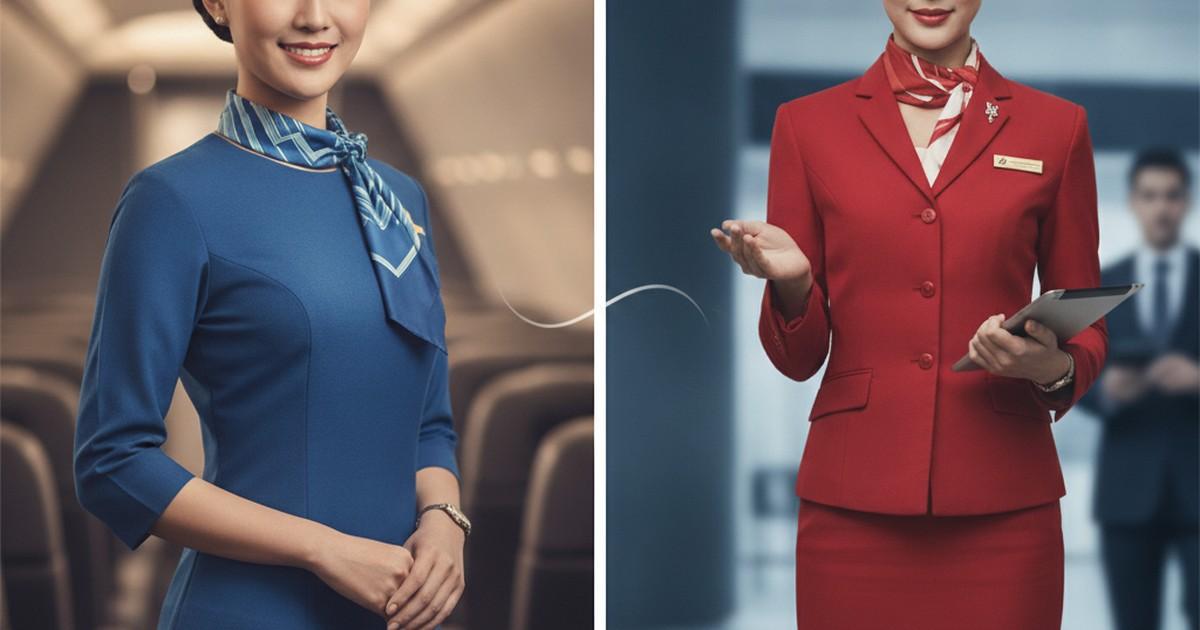

Service Consistency Singapore Girl vs Cathay's Professionalism
While Singapore Airlines offers an ultra-consistent, warm, and highly choreographed hospitality centered around the iconic "Singapore Girl," Cathay Pacific delivers a contemporary, pragmatically efficient, and highly professional corporate service. The core differentiator is that Singapore Airlines focuses on proactive warmth and standardized perfection, whereas Cathay Pacific emphasizes passenger privacy, corporate efficiency, and understated luxury.
TL;DR Key Takeaways:
- Training Disparity: Singapore Airlines operates a grueling 14-to-16-week training program compared to Cathay Pacific's 7-week induction, resulting in Singapore's legendary, highly uniform service delivery.
- Service Philosophies: Singapore's cabin crew is highly proactive and tightly choreographed, while Cathay's crew prioritizes passenger privacy, avoiding unsolicited interruptions unless requested.
- Recent Rankings: Singapore Airlines won the Skytrax World's Best Cabin Crew in 2025, whereas Cathay Pacific claimed the number two spot globally in the 2026 AirlineRatings awards, driven by its exceptional new Aria Suite.
- Dining and Lounges: Singapore's structured gourmet pre-orders contrast with Cathay's flexible dining on demand, mirroring their overall corporate approaches to passenger care.
Why is the Singapore Girl's service so famously consistent?
To understand the legendary consistency of Singapore Airlines, look no further than the Singapore Airlines Training Centre in Singapore. Recruits undergo a grueling 14-to-16-week training program, which is widely considered the longest and most comprehensive cabin crew training course in the global aviation industry. Most international carriers, by comparison, train their crew for only 4 to 6 weeks.
During these intensive months, trainees master far more than safety and emergency procedures. The curriculum covers complex service procedures, premium passenger handling, multiple languages, and deportment. Grooming standards are strictly enforced, including the precise shade of lipstick allowed, hair styling guidelines, and strict physical fitness requirements.
Trainees even practice the exact way to walk, stand, and bow in their iconic sarong kebaya, designed by Pierre Balmain in 1968. This level of rigorous training creates a deep sense of shared culture and absolute muscle memory. Whether you fly a short-haul route to Jakarta or an ultra-long-haul flight to New York, the execution remains remarkably uniform.
The cabin crew's approach is highly proactive, meaning they actively anticipate your needs before you ask. Crew members regularly walk through the cabin to offer water, refill drinks, and check on passenger comfort. This systematic attentiveness ensures that no passenger feels neglected, making it the gold standard for global service consistency.
How does Cathay Pacific's style of professionalism compare?
Cathay Pacific approaches service through a different cultural and operational lens. Based at Hong Kong International Airport, the airline prepares its flight attendants with an intensive 7-week induction training program. This curriculum places immense emphasis on safety, situational handling, medical procedures, and operational discipline.
Rather than forcing a uniform personality, Cathay's hiring and training philosophy centers on real-world judgment, composure, and individual accountability. The service style on a Cathay Pacific flight is best described as polished, modern, and pragmatic. Crew members are highly trained professionals who treat passengers with deep respect while maintaining healthy professional boundaries.
They prioritize your personal space, a style highly appreciated by corporate business travelers flying the competitive Hong Kong to London financial routes. They will not disturb you unnecessarily if you are working, resting, or sleeping. This hands-off approach allows passengers to enjoy their journey in complete peace.
However, because Cathay's crew is encouraged to bring their natural personalities to work rather than following a strict theatrical script, the passenger experience can vary slightly. You might encounter a crew that is exceptionally warm and chatty on one flight, and a crew that is highly efficient but somewhat reserved on the next. Both experiences meet the high standards of a certified 5-star airline, but they reflect a flexible professionalism.
Which airline offers better service consistency in Business Class?
When comparing premium cabins, the difference in service styles becomes highly pronounced. Singapore Airlines is legendary for its hyper-personalized service. If you read our business class comparison, you will see how Singapore's crew excels at memorizing small details, such as how you take your coffee or addressing you by your last name on every interaction. They operate with an intuitive warmth that makes the premium cabin feel like a luxury boutique hotel.
Cathay Pacific, on the other hand, delivers a service that is highly organized, streamlined, and structured. Their staff executes meal services with incredible efficiency, ensuring that business passengers can maximize their sleep. This efficiency is beautifully paired with their cabin hardware.
As highlighted in our analysis of comfort and layout, Cathay's focus on privacy complements their hands-off, respectful service approach. With the introduction of the state-of-the-art Aria Suite on their Boeing 777-300ER, Cathay's crew has mastered the art of "invisible service." They are there the second you press the call button, but they respect your private sanctuary when you want to be left alone.
In terms of pure consistency, Singapore Airlines has a slight edge because of its longer training cycle, which minimizes variation between individual crew members. However, Cathay Pacific's climb to the number two spot globally in the 2026 AirlineRatings awards proves that their professional, hardware-driven execution is highly competitive. Their service remains incredibly reliable and polished.
How do dining and lounge service philosophies differ?
The service philosophy of each airline extends directly to their ground operations and inflight culinary delivery. Singapore Airlines relies on its famous "Book the Cook" service, allowing premium passengers to pre-order fine-dining main courses up to 24 hours before departure. This creates a significant workload for the cabin crew, who must meticulously track and heat specific meals for dozens of individual passengers.
Yet, the crew manages this complex task with remarkable grace, as detailed in our dining comparison guide. Cathay Pacific has traditionally taken a different route, focusing on curated partnerships with Michelin-starred Hong Kong restaurants and introducing flexible, high-quality dining on demand on long-haul routes.
Their crew is trained to prepare and serve these high-end dishes on a more flexible schedule, showcasing their adaptability and composure under pressure. On the ground, this service distinction is equally visible. When you compare their premium airport lounges, Singapore's SilverKris lounges are designed to manage large passenger volumes efficiently, offering high-quality self-service buffets and attentive ground staff.
In contrast, Cathay Pacific's flagship lounge, The Pier, feels like a serene, high-end residential apartment. The service here is highly refined, from the polite chefs at the Noodle Bar to the dedicated tea professionals, offering a peaceful sanctuary that perfectly mirrors Cathay's understated professionalism.
What role does technology play in their service delivery?
Technology acts as an invisible enabler for cabin crew, allowing them to focus less on administrative tasks and more on direct passenger hospitality. Singapore Airlines has heavily invested in personalizing the digital journey. Their cabin crew uses specialized tablets to access passenger profiles, enabling them to note dietary preferences, transit connections, and previous travel history.
This digital system helps the crew maintain their legendary service consistency. It seamlessly integrates with their connectivity and tech, which offer free, unlimited high-speed WiFi for all KrisFlyer members across all cabins, ensuring passengers remain connected.
Cathay Pacific has also embraced digital transformation to support its crew. Recognized for winning the World's Best Inflight Entertainment award from Skytrax, Cathay has designed its onboard systems to be highly intuitive. For example, in their new Aria Suite, passengers can view a real-time map showing which lavatories are currently occupied directly from their 24-inch 4K screens.
This smart, technology-driven approach reduces passenger movement in the aisles. It allows the cabin crew to manage the cabin environment with quiet efficiency and minimal friction. Consequently, the technology serves to enhance the professional, hands-off service model that Cathay champions.
Singapore Airlines vs Cathay Pacific: Which should you choose?
To help you choose between the standardized warmth of Singapore Airlines and the pragmatic efficiency of Cathay Pacific, here is a direct breakdown of how their service models compare across key operational metrics:
- Primary Service Style: Singapore Airlines features highly proactive, warm, and tightly choreographed interactions. Cathay Pacific delivers polished, pragmatic, and privacy-respecting service.
- Cabin Crew Training: Singapore Airlines invests in a 14-to-16-week industry-leading duration. Cathay Pacific operates a highly efficient 7-week intensive induction program.
- Service Consistency: Singapore Airlines is ultra-consistent across all routes and crews due to rigid standards. Cathay Pacific remains highly professional, but with natural variations in warmth.
- Privacy Philosophy: Singapore Airlines is highly attentive with frequent crew check-ins. Cathay Pacific is highly respectful of personal space and boundaries.
- Technology Integration: Singapore Airlines uses personal passenger profiles on crew tablets to tailor service. Cathay Pacific relies on intuitive, award-winning 4K entertainment features to minimize cabin friction.
If you value feeling pampered, actively cared for, and treated with a high degree of warmth, Singapore Airlines is the clear winner for your travel style. However, if you prefer a contemporary, highly professional environment where your privacy is strictly respected, Cathay Pacific provides an exceptional experience that is hard to beat.
To experience these world-class service standards for yourself, compare the latest routes and premium cabin options on both airlines to book your next journey.


 Saily eSIM